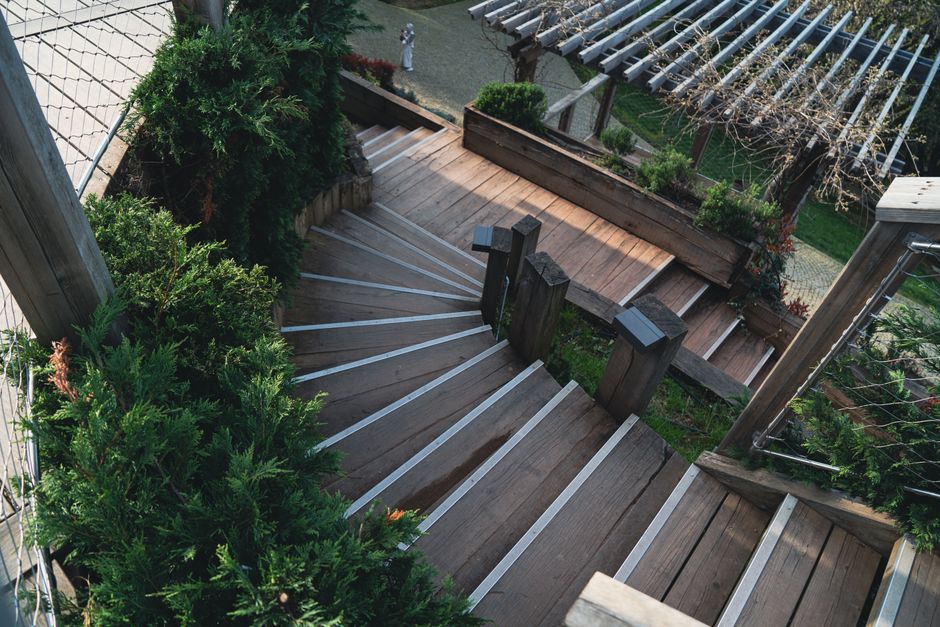
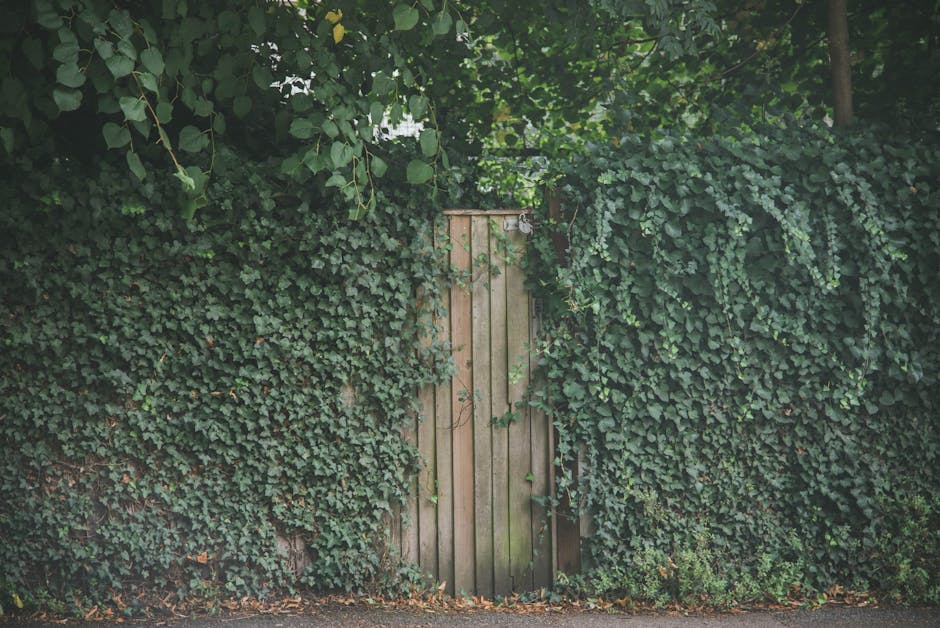
Difficult garden access solutions for Petts Wood gardeners
Getting into a garden should feel straightforward. But if your side return is narrow, the back gate is awkward, the slope is unforgiving, or the only route passes through the house, even simple maintenance can become a bit of a slog. That is exactly where Difficult garden access solutions for Petts Wood gardeners come in: practical ways to make your outdoor space usable, safer, and far less stressful to work in.
In Petts Wood, gardens can present all sorts of real-world access headaches. Tight paths, mature planting, old fencing, stepped changes in level, and heavy materials all make a difference. The good news? You do not always need a complete rebuild. Often, a thoughtful mix of layout changes, better surfacing, smarter storage, and the right service approach can transform the job. This guide walks through the options in plain English, so you can decide what is sensible, what is worth the spend, and what will actually make life easier.
Table of Contents
- Why difficult garden access matters
- How access solutions work in practice
- Key benefits and practical advantages
- Who this is for and when it makes sense
- Step-by-step guidance
- Expert tips for better results
- Common mistakes to avoid
- Tools, resources and recommendations
- Law, compliance, standards and best practice
- Options, methods and comparison table
- Case study or real-world example
- Practical checklist
- Conclusion
- Frequently asked questions
Why Difficult garden access solutions for Petts Wood gardeners Matters
Access is one of those things people only notice when it is bad. Then it becomes impossible to ignore. A path that is too narrow for a wheelbarrow, a gate that barely opens, or a muddy route that turns into a slip hazard after a wet week can slow everything down. Suddenly pruning, hedge work, lawn care, or even moving compost becomes harder than the gardening itself.
For Petts Wood homeowners, this matters for a few reasons. First, many gardens are established rather than newly built, which means access routes were often designed for lighter use. Second, mature hedges, fencing, and trees can gradually pinch the usable space. Third, many gardens are simply not level. One or two awkward steps may not sound like much, but try carrying bags of soil or a mower through them and you will soon feel it.
There is also a safety angle. Poor access increases the chance of trips, strained backs, damaged planting, and accidental knocks to paving or timber. In our experience, once a garden becomes difficult to work in, it often gets maintained less often, and that makes the access problem worse. It snowballs a bit, truth be told.
Good access planning is not just about convenience. It helps you protect the garden, preserve the surface materials, and keep routine work manageable through all seasons. That can be especially helpful in winter, when damp ground and low light make awkward routes more frustrating than usual.
If you are also thinking about the wider design of the garden, useful inspiration can come from vertical gardening ideas for tighter spaces and comfortable seating layouts that still leave room to move.
How Difficult garden access solutions for Petts Wood gardeners Works
The basic idea is simple: identify what is blocking movement, then remove or reduce the obstacle without creating new problems elsewhere. That sounds obvious, but access issues are usually a mix of small frustrations rather than one big fault. A narrow gate, overhanging branches, soft ground, and a poor turning area can together make a garden feel nearly impossible to work in.
A proper solution normally starts with a walk-through assessment. You look at how people, tools, waste, and materials actually move through the garden. Where does the mower go? Where does a barrow get stuck? Where do bags of mulch need to be dropped? Which parts are always muddy after rain? Which corners are hard to reach with hedge trimmers or pruning tools? Once you know the flow, the fix becomes much clearer.
Some access improvements are structural. For example, widening a gate, adding a hard-standing route, replacing a loose step, or creating a more direct path to the main working area. Others are operational. That might mean bringing in smaller loads more often, using modular materials, or scheduling work in a sequence that avoids repeated lifting. Sometimes, the smartest solution is not dramatic at all. It is simply less faff.
Access improvements can also be paired with other garden changes. A new path may be combined with garden landscaping, or a problem hedge line might be handled alongside hedge trimming so the route opens up properly. If overgrowth is part of the issue, tree surgery can sometimes help restore light and clearance, while fencing adjustments may create a more usable boundary line.
Key Benefits and Practical Advantages
Better access does more than make the garden easier to walk through. It changes how the whole space functions.
- Less strain and safer movement: fewer awkward lifts, fewer slips, and less risk when carrying tools or waste.
- Faster maintenance: if the route is sensible, routine jobs take less time and feel less tiring.
- Better reach: you can actually get to the beds, borders, and edges that otherwise get ignored.
- Improved garden care: regular pruning, mowing, and cleaning become realistic rather than aspirational.
- Cleaner finishes: paths, patios, and decking are easier to protect when access is planned properly.
- More flexibility: you can bring in materials, new planting, or outdoor furniture without turning the job into a mini obstacle course.
There is also a design benefit. Once a garden feels easier to move through, it tends to look more intentional. The whole space reads better. A tight corner can become a useful passage. A side alley can become a service route. Even a simple change like surfacing one strip properly can make the garden feel calmer and more organised.
That sense of calm matters more than people think. Gardens are meant to be enjoyed, not negotiated like a delivery yard on a rainy Tuesday.
Who This Is For and When It Makes Sense
This kind of planning is useful for a wide range of Petts Wood gardeners, not just people with extreme access problems. It makes sense if any of the following sound familiar:
- Your garden is only reachable through a narrow side passage.
- Large tools or a mower are hard to get in and out.
- Steps, slopes, or uneven ground make carrying materials awkward.
- Existing hedges, trees, or fencing have narrowed the usable route.
- You want to reduce mud, mess, and wear on paving or turf.
- Maintenance tasks are getting delayed because access feels like too much effort.
It is also worth considering access if you are planning a bigger change, such as a garden makeover, a new patio, or more structured planting. Once new materials are in, the route is harder to change. Better to sort the access first, even if the fix is modest.
One common scenario is the "nice garden, hard garden" problem. Everything looks fine from the patio doors, but once you need to reach the far end, it becomes a squeeze. Another is the garden that works in summer but becomes miserable in winter because the path turns muddy and slippery. The solution will differ, but the logic is the same: make the practical route the easy route.
If your garden also needs lower-maintenance planting to keep the workload sensible, it may help to read about budget-friendly low-maintenance garden ideas and ground covers that reduce bare, awkward patches.
Step-by-Step Guidance
Here is a practical way to approach difficult access without overcomplicating it.
- Map the current route. Walk from the street or driveway to the main work areas and notice every pinch point. Be honest. If you have to sideways-shuffle a wheelbarrow, that is a clue.
- Identify the heaviest movements. Think about compost, soil, paving slabs, cuttings, and waste bags. These are often the things that reveal the real access problem.
- Check the surface condition. Look for soft ground, loose gravel, broken paving, slippery moss, or worn timber. A route can be wide enough and still be unpleasant to use.
- Review vertical obstructions. Overhanging branches, hedges, washing lines, and awkward wall projections can make a route feel tighter than it is.
- Decide what must change structurally. In some gardens, this means a wider gate or a better path. In others, it means trimming back plants or changing the layout of beds.
- Choose the simplest workable route. Sometimes a slightly longer path is much easier to use than a short but cramped one.
- Improve the surface. Consider a firmer, more predictable finish where people and equipment actually travel.
- Plan storage near the point of use. Tools stored closer to the work area reduce repeated trips through awkward spaces.
- Test the route before committing. Move a mower, barrow, or a couple of bags along the proposed route and see what still feels clumsy.
- Build in maintenance. Access solutions need upkeep too. A widened route can be narrowed again by growth if it is not checked seasonally.
A small but useful trick: if you are planning seasonal work, do the access review before peak growth in spring. By mid-summer, everything feels more crowded. A route that seemed workable in March can feel very different once the plants have had a good run.
Expert Tips for Better Results
The best access solutions are rarely the flashiest. They are the ones that match how the garden is actually used.
Start with the route, not the feature. People often want to fix the obvious thing, like a broken gate, when the real issue is that the path beyond it is too tight to use properly. Follow the movement first.
Keep turning space in mind. A straight line is not enough if you cannot turn a barrow, carry compost safely, or manoeuvre tools without scraping borders. Turning space matters more than it gets credit for.
Use pruning strategically. Cutting back one hedge or opening a canopy can make a route dramatically better. This is one reason access planning often pairs well with creative hedge techniques and regular maintenance work.
Think in layers. Access is not just width. It is width, surface, lighting, slope, and visibility. A route can be technically passable yet still feel awkward if you cannot see where your footing is going.
Use lightweight logistics when necessary. Smaller loads, more trips, and better staging can sometimes outperform a major rebuild. Not glamorous, but effective.
Keep clutter out of the route. Tools, pots, garden furniture, and garden waste quickly turn a decent route into a nuisance. A bit of discipline helps more than people expect.
Ask who will be using it in six months. If you or a family member has mobility concerns, or if the garden will need heavier work later, design for that now. Retrofitting is always more annoying.
And one small, honest note: the perfect access solution is not always possible on the first pass. That is fine. Aim for better, safer, easier. Good enough can be a very good outcome indeed.
Common Mistakes to Avoid
Access projects can go wrong in predictable ways. The good news is they are usually easy to avoid once you know what to look for.
- Focusing only on width. A wide route with a muddy surface is still a pain to use.
- Ignoring slope and drainage. Water runoff can undo the benefit of an otherwise solid path.
- Overcrowding the route with planting. Borders are lovely, but not if they close in the working space.
- Using materials that clash with the workload. Delicate finishes may look great, but they may not suit repeated tool traffic.
- Forgetting maintenance access. A route that is hard to maintain often becomes hard to use again.
- Not checking clearance at the top as well as the sides. Branches and trellis can be just as problematic as a tight gate.
- Skipping the practical test. If you do not physically move equipment through the route, you are guessing. And guessing is a bit risky here.
Another common mistake is making changes in the wrong order. For example, laying new features before sorting access can force compromises later. It is a bit like moving furniture before the carpet is measured. Not ideal.
Tools, Resources and Recommendations
You do not need a massive toolkit to improve access, but the right basic equipment makes a real difference.
- Measuring tape: for checking widths, gate clearances, and turning points accurately.
- Spirit level: useful when assessing slopes, paving, and step changes.
- Spade and edging tools: helpful if you are redefining borders or opening a route.
- Pruning tools: needed when vegetation is narrowing the usable access line.
- Wheelbarrow or garden trolley: the simplest way to test whether a route is genuinely workable.
- Work gloves and sturdy footwear: basic, but they matter when routes are uneven or muddy.
For broader planning, the most useful "resource" is often a careful walk-through and a realistic list of jobs the garden needs over the year. If access must support mowing, pruning, waste removal, and occasional landscaping work, design for those tasks rather than just everyday walking.
It can also help to think about the garden in terms of maintenance zones. A front-to-back route may need to support routine work, while a side route may only need to handle occasional access. That distinction can save money and stop you overbuilding the wrong part of the garden.
Some readers also find it useful to pair access improvements with related services like garden maintenance, lawn mowing, or patio cleaning once the route is easier to use. If the access issue is really part of a wider garden refresh, general gardening support can be a practical place to start.
Law, Compliance, Standards and Best Practice
For most domestic garden access improvements, this is less about formal regulation and more about sensible best practice. Still, there are a few points worth keeping in mind.
If the work affects boundaries, shared access, drainage, retaining levels, trees, or neighbouring property, it is wise to check the situation carefully before starting. In practical terms, that means avoiding assumptions. Shared gates, boundary walls, and overhanging branches can create awkward ownership or maintenance questions, so tread carefully and document what is being changed.
Health and safety should also be taken seriously, especially where work involves lifting, cutting, or working on uneven ground. Safe footing, stable temporary storage, controlled tool movement, and clear pathways all matter. If contractors are involved, you should expect proper risk awareness and sensible site management. A tidy access plan is often a safer plan.
Accessibility best practice is another useful guide, even in private gardens. While domestic spaces are not usually built to public standards, the principles still help: avoid unnecessary steps, reduce trip hazards, make movement intuitive, and provide predictable surfaces where possible. In plain English, if you can make the route less fiddly, do it.
For a better understanding of the kind of standards and working approach you should expect from a professional team, it may help to review health and safety policy information, insurance and safety guidance, and the site's accessibility statement. If you are comparing providers, terms and conditions and payment and security details are worth a quick look too. No need to overthink it, just the basics done properly.
Options, Methods and Comparison Table
Different gardens need different fixes. Here is a straightforward comparison to help narrow the choice.
| Method | Best for | Pros | Watch-outs |
|---|---|---|---|
| Gate widening or replacement | Very narrow entry points | Improves movement right at the start of the route | May need boundary checks and careful measurement |
| Path resurfacing | Muddy, uneven or slippery access | Safer footing and easier tool movement | Needs suitable drainage and material choice |
| Pruning back overgrowth | Hedges, climbers or trees narrowing the route | Quick improvement, often lower cost | Can return if not maintained |
| Layout changes | Gardens with awkward movement flow | Can simplify the whole garden experience | May require more planning and labour |
| Staged material delivery | Big jobs with limited access | Reduces strain and disruption | Takes longer and needs coordination |
| Landscape redesign | Persistent access problems across the whole garden | Most complete and durable fix | Higher commitment, not always necessary |
As a rule, the smaller the problem, the more targeted the fix should be. If the issue is a hedge leaning into the passage, deal with the hedge. If the issue is a whole route that no one wants to use, then a more comprehensive redesign may be better. Simple logic, really.
Case Study or Real-World Example
Imagine a typical Petts Wood garden with a side passage leading to the rear lawn. The passage is technically usable, but only just. One section narrows near a fence panel, a hedge has grown over the top edge, and the surface holds water after rain. Moving bags of soil through it means brushing against the fencing and trying not to slip. Not ideal on a dark afternoon.
The solution in this kind of case is usually not one single dramatic change. A better approach might be:
- trim back the hedge and overhanging growth;
- check whether the fence line is creating an unnecessary pinch point;
- repair or resurface the worst part of the route;
- shift tool storage closer to the garden work area;
- simplify the route to the back garden so materials are carried fewer times.
Once those changes are made, the difference can be surprisingly noticeable. The route feels cleaner. The job feels calmer. Even maintenance tasks that used to be postponed suddenly become manageable. You are not wrestling the garden anymore.
That is the key lesson. Most access problems are a combination problem. Fix the combination, and the whole garden works better.
Practical Checklist
Use this checklist before starting any access improvement:
- Identify the main route into the garden.
- Measure gate openings, path widths, and turning space.
- Check for overgrowth, low branches, and encroaching structures.
- Note where water gathers or the ground feels unstable.
- Test the route with a mower, barrow, or tool trolley.
- Decide whether the issue is surface, layout, clearance, or all three.
- Prioritise safety before appearance.
- Consider whether the route will still work during wet or icy weather.
- Plan for future maintenance, not just the first fix.
- Speak to a professional if the problem involves boundaries, steps, retaining changes, or larger landscaping work.
Expert summary: If access is difficult, the best solution is usually the one that makes routine work feel natural again. Not perfect, not flashy, just practical, durable, and suited to the way your garden is actually used.
For more general planning support, you may also want to review pricing and quotes information and learn more about the team behind the work.
Conclusion
Difficult access does not have to define a garden. In Petts Wood, where many outdoor spaces have mature planting, tight routes, and practical limitations, the right solution is usually a combination of design sense and sensible maintenance. Improve the route. Clear the obstacles. Make the working areas easier to reach. Then the whole garden starts to feel more welcoming again.
If you are deciding where to begin, start with the one thing that annoys you most every time you go outside. That is usually the clue. Maybe it is the gate, maybe it is the mud, maybe it is the overgrown hedge that catches your sleeve every time. Fix that first. Then build from there.
Get a free quote today and see how much you can save.
And if you do nothing else this week, just walk the route once with fresh eyes. You may be closer to a better garden than you think.
Frequently Asked Questions
What are the most common difficult garden access problems in Petts Wood?
The most common issues are narrow side passages, awkward gates, slippery paths, uneven ground, and overgrown hedges or branches that reduce clearance. In many gardens, it is a combination of several smaller barriers rather than one major fault.
Do I need a full garden redesign to improve access?
Usually not. Many access problems can be improved with targeted changes such as pruning, surface repair, better storage placement, or a wider route in one key section. A full redesign is only sensible if the access issue affects the whole layout.
Is widening a gate always the best solution?
No. It helps if the entry point is the main bottleneck, but if the path beyond the gate is too tight, muddy, or cluttered, widening the gate alone will not solve much. Always look at the whole route.
How can I make a narrow garden easier to work in?
Use slimmer working routes, reduce clutter, store tools closer to where they are used, trim encroaching planting, and make sure the surface is stable. A narrow garden can still be practical if the movement flow is sensible.
What surfaces work well for awkward access routes?
That depends on the garden, but the surface needs to be stable, safe, and suitable for the amount of foot traffic and tool movement. The best choice is usually the one that handles wet weather and repeated use without becoming slippery or messy.
Can overgrown hedges really affect access that much?
Absolutely. A hedge that has crept in by even a small amount can make a passage feel much tighter, especially when carrying tools. Regular hedge trimming can make a bigger difference than people expect.
What should I check before bringing in heavy materials?
Measure the route width, look for soft ground or weak paving, check turning space, and make sure there is room to set materials down safely. If the route is marginal, staged delivery is usually safer than trying to bring everything through at once.
Are access improvements safe to do in winter?
Some are, but winter conditions can make surfaces slippery and soft ground more difficult to work with. Light pruning or planning is fine, but more disruptive work is often easier and safer in drier conditions.
What if the route crosses a shared boundary or fence line?
Then you should be careful and check ownership or responsibility before making changes. Shared access points and boundary features need a sensible, respectful approach, especially if they affect neighbouring property.
How do I know whether I should hire help?
If the issue involves steep levels, major surfacing, trees, fencing, or repeated manual handling of heavy items, professional help is usually worth considering. It can save time, reduce risk, and stop a small issue turning into a bigger one.
Will access improvements help with regular maintenance too?
Yes, and that is one of the biggest benefits. Better access makes mowing, pruning, waste removal, and general upkeep easier, which means the garden is more likely to stay in good condition over time.
How do I get started if I am not sure what the main problem is?
Start with a simple walk-through using a mower, trolley, or even just a spade and a bucket. Notice where movement feels awkward, where you slow down, and where you would rather not go. That usually reveals the real issue pretty quickly.