Complaints Procedure for Gardeners Petts Wood
 Every professional gardening service should have a clear and fair complaints procedure. For gardeners in Petts Wood, that means giving clients a simple way to raise concerns, ensuring issues are handled properly, and making sure standards remain consistent. A well-written complaints process is not about arguing a case; it is about showing that every concern is taken seriously and managed with care.
When a customer is unhappy with a service, the response should be calm, prompt, and organised. Whether the issue relates to missed work, unexpected damage, or a misunderstanding about the agreed task, a reliable gardeners Petts Wood complaints procedure helps protect trust. It also gives the business a structured way to review what happened and take appropriate action where needed.
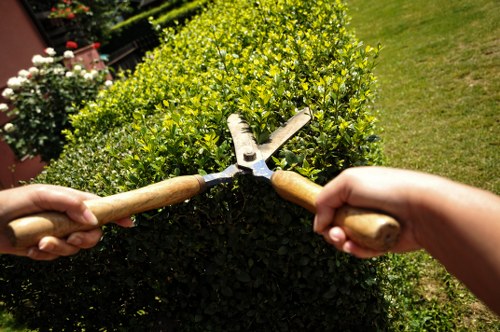 A good policy begins with clarity. Clients should know how to make a complaint, what information to include, and how long the process is likely to take. This should be written in plain language and presented in a way that is easy to understand. A strong complaints procedure for gardeners should never feel complicated or defensive; instead, it should support fair treatment from the start.
Why a Complaints Policy Matters
Gardening work often involves regular visits, seasonal changes, and practical decisions on site. Because of this, misunderstandings can happen even when the service is carried out professionally. A clear gardeners complaints procedure helps reduce confusion by explaining how concerns are reviewed and resolved. It also supports accountability, which is important for both small independent teams and larger service providers.
Another benefit is consistency. Without a set process, complaints may be handled differently depending on who receives them. That can lead to frustration and unfair outcomes. A formal approach ensures that each issue is considered on the same basis, with the same attention to detail. In this way, a Petts Wood gardeners complaints policy supports a fair and reliable service experience.
 The procedure should also make clear that complaints are welcomed as opportunities to improve. This does not mean problems are ignored or excused. It means the business is willing to listen, investigate, and act where necessary. A calm and structured response can often resolve concerns quickly and prevent similar issues from happening again.
Core Steps in the Complaints Process
The first step is receipt of the complaint. The customer should be able to explain the issue clearly, with dates, details, and any relevant context. Once received, the complaint should be logged and acknowledged. Even if the matter cannot be resolved immediately, acknowledging it quickly shows professionalism and respect.
The next stage is review. This may involve checking job notes, visit records, or internal communications to understand what happened. The aim is to establish the facts before deciding on a response. A fair gardeners in Petts Wood complaints procedure should avoid assumptions and focus on evidence. That approach helps ensure the resolution is balanced and reasonable.
After review, the business should provide a written or clear verbal outcome. This may include an explanation, a proposed remedy, or confirmation that the service was delivered as agreed. Where action is needed, it should be specific and practical. For example, this might involve correcting an error, revisiting a task, or adjusting a future service arrangement.
Good Practice in Handling Complaints
Professionalism is essential throughout the process. Staff should remain polite, avoid defensive language, and keep the focus on solving the problem. A complaint is not a personal criticism; it is a service issue that needs attention. Using a respectful tone can prevent the situation from becoming more difficult than it needs to be.
It is also important to keep records. Notes of the complaint, actions taken, and the final outcome create a useful reference if similar concerns arise later. This supports both learning and consistency. For a Petts Wood gardening service, record-keeping can be especially valuable in maintaining dependable standards across ongoing work.
Where possible, the procedure should include a timeframe for each stage. Customers appreciate knowing when to expect a response. While every case is different, clear timescales help manage expectations and reduce uncertainty. A well-managed garden complaints process is one that balances speed with proper investigation.
Resolving Issues Fairly
 Before closing a complaint, it is sensible to confirm that the customer understands the outcome. If further clarification is needed, the business should provide it without delay. The aim is not simply to mark the case as complete, but to ensure the concern has been addressed properly. This is a key part of a trustworthy gardeners complaints policy.
Some complaints may not be upheld, but even then, the explanation should be clear and considerate. Customers are more likely to accept a decision when they understand how it was reached. Fairness comes from transparency, consistency, and a willingness to review the facts carefully. That is what makes a complaints procedure for gardeners in Petts Wood effective.
Where a complaint reveals a wider issue, the business should take steps to improve its working methods. This could involve better communication, clearer job confirmations, or more careful site checks. By treating complaints as part of service development, the business strengthens its reputation and reduces the chance of repeat problems.
In summary, a strong complaints procedure supports quality, trust, and professionalism. It gives customers confidence that concerns will be heard and handled with respect, while also helping the gardening service maintain high standards. A clear and practical approach benefits everyone involved.
 For gardeners Petts Wood, having a reliable complaints process shows commitment to good service. It creates a simple path from concern to resolution and helps ensure every client receives fair treatment. In a service built on care, consistency, and attention to detail, that structure matters.