Lawn Care in Petts Wood: Practical, Year-Round Tips for a Healthy, Beautiful Garden
Why Lawn Care in Petts Wood Deserves Local Attention
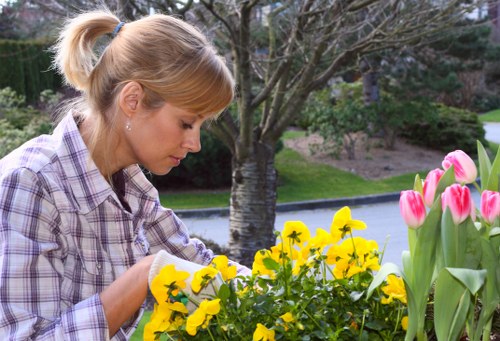
Lawn care in Petts Wood is more than a seasonal task; it is an ongoing part of keeping outdoor spaces attractive, functional, and enjoyable throughout the year. In a place like Petts Wood, where gardens are often a cherished extension of the home, a well-kept lawn can make a major difference to the look and feel of a property. Whether the grass is used for family time, entertaining, pets, or simply adding curb appeal, consistent lawn care supports healthier growth and a more polished finish.
The local environment also matters. Petts Wood experiences the same changing weather patterns seen across Greater London and Kent borders, which means lawns can face a mix of shade, rainfall, compacted soil, and seasonal stress. Because of that, lawn care in Petts Wood should be planned with local conditions in mind rather than using a one-size-fits-all approach. A lawn that thrives in spring may need different attention in summer, while autumn and winter demand a focus on recovery and protection.
Homeowners often notice that grass can become patchy, thin, or uneven if it is simply cut without a broader maintenance plan. Healthy turf needs regular mowing, feeding, aeration, scarifying, and weed control to stay in good condition. By building a routine around the changing seasons, lawn care in Petts Wood becomes more manageable and far more effective.
Understanding Petts Wood Lawns and Their Common Challenges
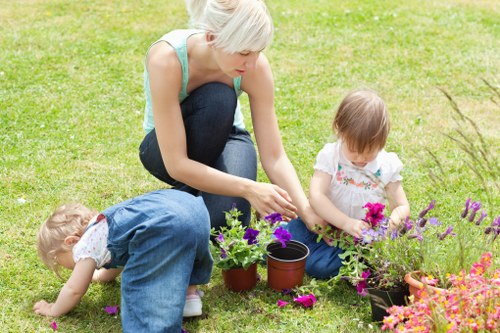
Every lawn has its own needs, but lawn care in Petts Wood frequently involves tackling familiar problems such as moss growth, poor drainage, shaded areas, and wear from foot traffic. Many gardens in the area have mature trees, which can create attractive surroundings but also reduce sunlight and leave grass struggling to grow evenly. In addition, clay-heavy soil in some locations can hold water for too long, encouraging moss and limiting root development.
Compaction is another common issue because lawns used regularly by children, pets, or outdoor gatherings can become dense and hard, preventing air, water, and nutrients from reaching the roots. When this happens, the grass may look dull and thin even if it is watered regularly. Effective lawn care in Petts Wood often begins with identifying these underlying causes rather than just treating the visible symptoms.
Another factor is weed pressure. Dandelions, clover, daisies, and other intrusive plants can quickly spread if the turf is weakened. That is why a healthy lawn should be seen as a system rather than just a surface to cut. Strong roots, balanced nutrition, and the right mowing habits are central to keeping weeds under control and helping grass compete naturally.
Seasonal Lawn Care in Petts Wood
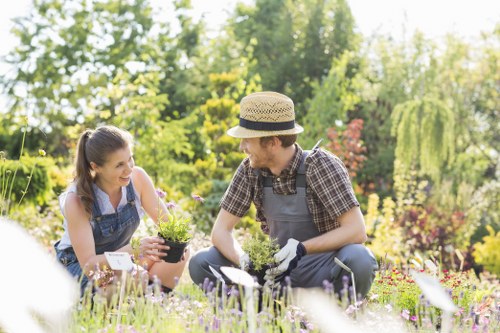
Seasonal planning is one of the most important parts of lawn care in Petts Wood. Different months bring different challenges, and a smart approach helps the grass recover, grow, and stay resilient. Spring is a time for awakening after winter, summer is about resilience and careful watering, autumn is ideal for renovation and strengthening, and winter is about reducing stress and preventing damage.
In spring, lawns often need a careful tidy-up after cold weather. That may include removing debris, lightly raking moss, and beginning regular mowing once the grass starts growing consistently. In summer, cutting height and watering habits matter more, especially during dry spells. Autumn is often the best time for major improvements such as overseeding, aeration, and feeding. Winter lawn care in Petts Wood is less active, but it still requires attention, especially in preventing waterlogging and avoiding unnecessary foot traffic.
When seasonal care is planned properly, the lawn enters each stage of the year in better condition. This is the key to long-term improvement: not waiting for the turf to fail, but helping it stay balanced all year. With lawn care in Petts Wood, timing is often as important as the treatment itself.
Spring Lawn Care Tasks
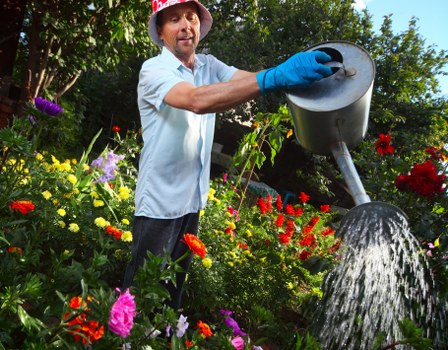
Spring is the ideal season to reset the lawn after winter dormancy. Lawn care in Petts Wood during spring often starts with clearing leaves, twigs, and dead grass that may have built up over the colder months. Once the surface is clean, a light rake can help lift flattened blades and remove excess thatch or moss. This simple step improves airflow and encourages new growth.
Mowing should begin gradually. It is best to set the blades higher at first so the grass is not shocked by a heavy cut. Cutting too short early in the season can weaken the lawn and make it more vulnerable to weeds and dryness later. A steady mowing pattern helps build density and evenness across the turf.
Spring is also a sensible time to test whether the lawn needs feeding. A balanced fertiliser can support healthy green growth, especially if the grass appears pale or tired. If bare patches are visible, overseeding can improve coverage and reduce the chances of weeds taking hold. For many households, these early steps set the tone for successful lawn care in Petts Wood over the rest of the year.
Mowing Techniques That Improve Lawn Health
Mowing may seem basic, but it is one of the most powerful parts of lawn care in Petts Wood. The way grass is cut influences root strength, density, moisture retention, and resistance to weeds. A good mowing routine keeps the lawn looking tidy while supporting healthier growth underneath. A poor routine, however, can create stress, scalping, and uneven patches.
The general rule is to cut little and often rather than removing too much at once. This helps the grass recover faster and reduces the risk of browning. It also allows the turf to maintain enough leaf area for photosynthesis, which is essential for growth. The mower blades should be kept sharp because blunt blades tear the grass rather than cutting it cleanly. Torn grass tips can turn brown and make the lawn look ragged.
Different mowing heights suit different seasons. In warmer months, leaving the grass slightly longer helps it shade the soil and retain moisture. In cooler growth periods, the mower can be adjusted lower, but not so low that the lawn becomes stressed. For lawn care in Petts Wood, consistent mowing with sensible height adjustment is one of the simplest ways to achieve a stronger result.
Useful mowing habits include:
- Mowing when the grass is dry to avoid clumping and uneven cutting
- Changing direction regularly to prevent the lawn from leaning in one pattern
- Never removing more than one-third of the grass height in a single cut
- Cleaning the mower after use to prevent disease spread
- Leaving grass slightly longer during hot, dry periods
Feeding, Watering, and Soil Support
Healthy turf depends on more than regular cutting. Lawn care in Petts Wood should also include feeding and watering routines that match the lawn’s condition and the season. Grass needs essential nutrients to grow thick and green, and soil needs support to remain fertile and structured. Without these elements, even frequent mowing will not create a strong lawn.
Feeding is usually most effective when timed with periods of active growth. A spring feed can encourage lush colour and help the grass recover after winter. An autumn feed can strengthen roots and prepare the lawn for colder weather. The right product depends on whether the lawn needs a boost in nitrogen, better root development, or general recovery. Balanced nutrition is always better than excessive feeding, which can cause rapid but weak growth.
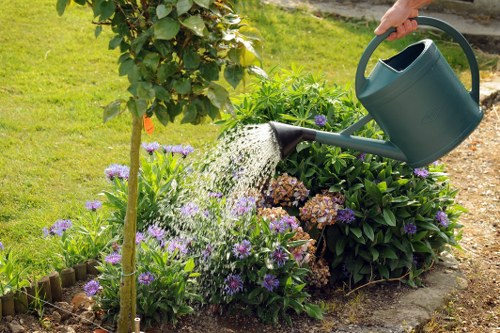
Watering should be thoughtful rather than frequent and shallow. Deep watering encourages the roots to grow further down into the soil, making the lawn more drought-tolerant. In Petts Wood, where rainfall can vary from week to week, it is important to monitor the lawn’s condition instead of watering by habit. A lawn that springs back after foot pressure may still be healthy, while a dull grey-green colour can indicate thirst. Lawn care in Petts Wood works best when watering supports the weather rather than ignoring it.
Signs the lawn may need extra support
- Pale or yellowing grass
- Slow regrowth after mowing
- Soil that feels hard or compacted
- Moss appearing in damp or shaded areas
- Thin patches where weeds are spreading
Aeration and Scarifying for Stronger Growth
Aeration and scarifying are two of the most valuable treatments in lawn care in Petts Wood because they address problems below the surface. Aeration creates small openings in the soil, helping air, water, and nutrients reach the roots more easily. Scarifying removes thatch, moss, and dead material that can prevent the lawn from breathing properly. Together, these processes can transform the condition of a tired or congested lawn.
Lawns with heavy use or compact soil often benefit from aeration at least once a year. Hollow-tine aeration is especially effective for deeper compaction because it removes small plugs of soil and opens up space for root growth. This is particularly useful where drainage is poor or where the turf needs more room to expand. In contrast, light lawn care in Petts Wood may only need a surface-level approach in less damaged areas.
Scarifying should be carried out carefully, usually when the grass is actively growing and able to recover. It can look harsh immediately after treatment, but the long-term benefits are significant. Once dead material is removed, fresh grass has a better chance to establish itself. Rejuvenated lawns often look thinner at first, then recover into a denser, healthier surface. That recovery phase is an important part of proper lawn care in Petts Wood.
Weed and Moss Control in Petts Wood Gardens
Weeds and moss are two of the most common frustrations for homeowners, and both are closely linked to lawn health. If grass is thin, shaded, compacted, or nutrient-poor, weeds and moss can quickly take advantage. Lawn care in Petts Wood should therefore focus not only on removal but also on prevention. A stronger turf is always the best defence.
Weed control usually begins with improving the lawn’s condition so that unwanted plants have less opportunity to spread. Regular mowing, feeding, and overseeding all help make the lawn denser. In some cases, targeted weed treatment may be needed for persistent invasive plants. Moss, meanwhile, tends to appear where moisture lingers and where grass struggles to compete. Reducing shade, improving drainage, and aerating the soil can all help reduce its return.
It is important to remember that moss is often a symptom rather than the main problem. Treating the cause is more effective than repeatedly removing the surface growth. In Petts Wood, where many gardens have tree cover and less direct sun, this approach is especially relevant. Lawn care in Petts Wood becomes more successful when moss and weeds are managed as signs of imbalance, not just isolated nuisances.
Best prevention methods include:
- Keeping the grass at an appropriate height
- Improving air circulation where possible
- Feeding the lawn during active growth seasons
- Aerating compacted soil
- Overseeding thin areas to crowd out weeds
Overseeding and Repairing Bare Patches
Bare patches are common in lawns that experience heavy use, pet damage, shade, or poor soil quality. Lawn care in Petts Wood often includes overseeding to restore coverage and improve the appearance of damaged areas. Overseeding means spreading new grass seed over existing turf so fresh plants can fill gaps and increase density.
For the best results, the soil surface should be prepared first. That may involve lightly raking the area, removing debris, and loosening compacted soil. Seed should then be spread evenly and kept consistently moist while it germinates. If the weather is too dry, the seed may struggle to establish, while if it is too wet, the seed may rot or wash away. Good timing is therefore crucial.
Once the new grass begins to grow, it should be protected from heavy foot traffic until it is established. Over time, overseeding can improve the lawn’s resilience and visual quality. A thicker lawn naturally looks better and stands up more effectively to stress. For homeowners focused on lawn care in Petts Wood, overseeding is one of the most practical ways to restore life to tired turf.
Choosing the Right Lawn Care Approach for Different Garden Types
Not every garden in Petts Wood has the same needs. Some lawns are decorative, some are functional, and some are a mix of both. That means lawn care in Petts Wood should be tailored to the way the lawn is used. A front lawn may prioritise appearance and neatness, while a family back garden may need a tougher surface that can handle play and regular traffic.
Shaded lawns often require more attention to moss control, aeration, and seed selection. Sunny lawns may need extra watering and protection during dry spells. Lawns in high-traffic areas benefit from durable grass varieties and more frequent maintenance. If the garden contains slopes, trees, or heavily used paths, those features should also influence mowing and feeding decisions.
This is where a thoughtful maintenance plan matters. Rather than forcing every lawn into the same routine, good lawn care in Petts Wood adapts to the space, the soil, and the household’s needs. The best lawn is not just the greenest one; it is the one that suits the garden and stays healthy through the seasons.
Consider these lawn factors:
- How much sunlight the grass receives
- How often the lawn is used
- Whether drainage is good or poor
- The amount of shade from trees or fencing
- The look you want to achieve, from ornamental to family-friendly
Why Regular Maintenance Saves Time in the Long Run
Many lawn problems become more expensive and time-consuming when they are ignored. Patchy grass, thick moss, and compacted soil do not usually appear overnight; they build gradually. That is why regular lawn care in Petts Wood often saves more time than occasional heavy intervention. A little maintenance performed consistently can prevent much larger repair work later.
Routine care helps preserve the lawn’s structure. Regular mowing prevents the grass from becoming overlong and weak. Feeding keeps the turf from becoming depleted. Aeration stops the soil from sealing over. Scarifying prevents thatch from suffocating the roots. When each of these tasks is done at the right time, the lawn remains easier to manage and more pleasant to use.
Consistency is what turns average grass into a proper lawn. Even small improvements, repeated across the year, can create noticeable change. For homeowners, that means less frustration, fewer bare patches, and a garden that feels looked after rather than neglected. Lawn care in Petts Wood is most effective when it is treated as a steady habit, not a last-minute fix.
Practical Tips for Better Results Throughout the Year
Good results come from combining basic lawn care with a few simple best practices. Small adjustments can make a surprising difference, especially in gardens where the lawn has struggled in the past. Whether you are improving the turf yourself or arranging professional help, a clear plan makes lawn care in Petts Wood much easier to manage.
Start by observing the lawn regularly. Look at colour, thickness, moisture levels, and signs of wear. If the grass becomes patchy in the same spots every year, the issue may be shade or soil compaction. If moss returns quickly after removal, drainage may need attention. If mowing seems to leave the lawn stressed, the cutting height or timing may need to change.
It also helps to work with the seasons rather than against them. Spring and autumn are usually the best times for heavier work, while summer should focus on keeping the lawn resilient and winter on avoiding damage. Thoughtful timing, not hard labour alone, produces the best lawn care in Petts Wood. With the right routine, the turf can become thicker, greener, and more enjoyable to use.
Simple year-round tips:
- Keep mower blades sharp and clean
- Avoid mowing wet grass whenever possible
- Water deeply rather than lightly and often
- Feed the lawn according to season and need
- Treat shade, drainage, and compaction as root causes
- Reseed thin areas before weeds spread
Making Lawn Care in Petts Wood Work for You
Lawn care in Petts Wood does not need to feel complicated. With a sensible routine, attention to seasonal changes, and a willingness to tackle underlying issues, almost any lawn can improve over time. The key is to balance appearance with health. A lawn that is cut, fed, aerated, and protected properly will usually look better and last longer than one that is simply trimmed now and then.
For busy households, the best approach may be a mix of regular DIY upkeep and targeted professional treatments when needed. That allows you to handle the basics while still giving the lawn more advanced support at the right times of year. Whether the goal is a neat front garden, a family play area, or a relaxing outdoor space, lawn care in Petts Wood can be adapted to suit the property and the people who use it.
If your lawn needs a fresh start, now is the ideal time to act. Improve the soil, strengthen the turf, and keep the maintenance consistent. Book your service now and take the next step toward a healthier outdoor space. Contact us today to move closer to a lawn that looks smart and feels great underfoot.