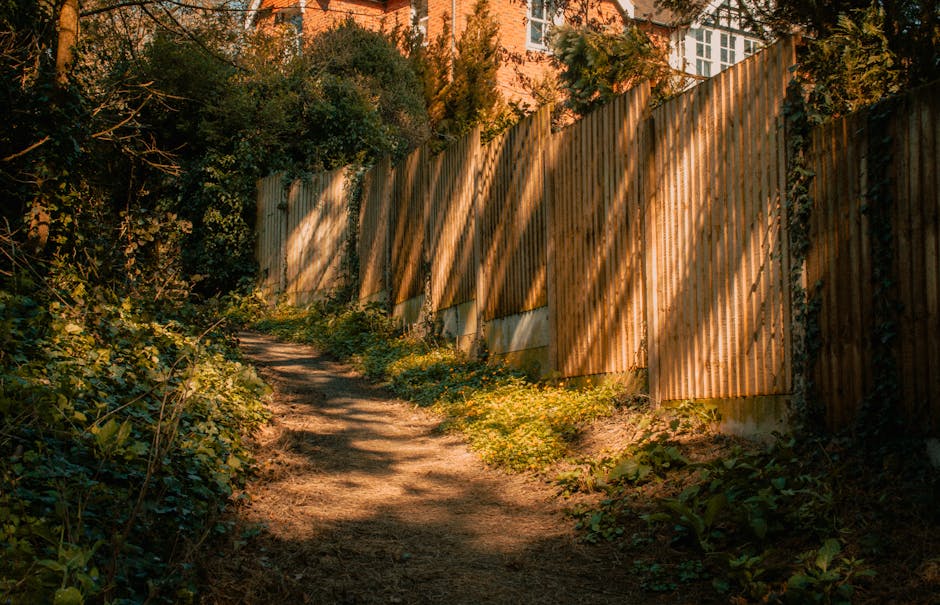
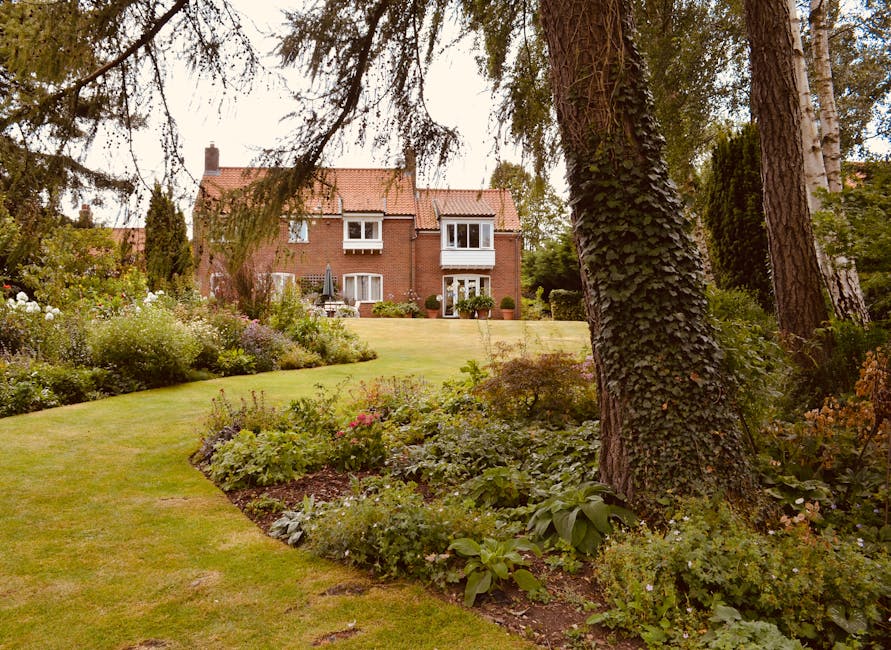
Garden maintenance guide for homes near Petts Wood Common
If you live near Petts Wood Common, garden care tends to feel a little more real-world than "just mow the lawn and hope for the best". The trees, shade, passing weather, soil variation, and the general rhythm of a suburban garden all shape what works and what doesn't. This Garden maintenance guide for homes near Petts Wood Common is designed to help you keep things tidy, healthy, and manageable without turning weekends into a full-time landscaping project. Truth be told, most gardens here do best with steady, sensible attention rather than dramatic overhauls.
In the pages below, you'll find seasonal routines, practical checks, common pitfalls, and a few local-minded ideas for handling lawns, hedges, borders, paving, and plant health. If you're planning a larger refresh, it may also help to explore professional garden maintenance support or compare wider gardening services when you need a bit more than a quick tidy-up.
Table of Contents
- Why Garden maintenance guide for homes near Petts Wood Common Matters
- How Garden maintenance guide for homes near Petts Wood Common Works
- Key Benefits and Practical Advantages
- Who This Is For and When It Makes Sense
- Step-by-Step Guidance
- Expert Tips for Better Results
- Common Mistakes to Avoid
- Tools, Resources and Recommendations
- Law, Compliance, Standards, or Best Practice
- Options, Methods, or Comparison Table
- Case Study or Real-World Example
- Practical Checklist
- Conclusion
- Frequently Asked Questions
Why Garden maintenance guide for homes near Petts Wood Common Matters
Gardens close to Petts Wood Common can be wonderfully green, but that greenery comes with its own maintenance pattern. Mature planting often means more shade in some areas, more leaf fall in autumn, and more competition from roots, bird activity, and damp pockets after rain. If you've ever looked at a patio in March and thought, "How did it get this slippery?", you're not alone.
A good maintenance routine matters because it keeps small issues small. A bit of moss on paving can become a safety nuisance. A hedge left too long can block light, crowd a boundary, or become harder to shape later. A lawn that's slightly compacted in spring can stay patchy all summer if it never gets aeration or the right feed. Let's face it, most garden problems don't arrive all at once. They creep in.
Homes near open green spaces also tend to experience a mix of exposure and shelter. One corner of the garden might feel windier than you expect, while another sits in a cool, damp pocket because of nearby trees or fences. That means garden maintenance here is not just about appearance; it's about reading the site properly and working with it.
Expert takeaway: near Petts Wood Common, the best gardens are usually the ones with steady seasonal upkeep, not the ones that get a big tidy once a year and then ignored. Consistency beats intensity, nearly every time.
How Garden maintenance guide for homes near Petts Wood Common Works
At its core, garden maintenance is a repeatable system. You observe what changed, remove what is failing, support what is growing well, and reset the space for the next phase of the season. That sounds simple, but the detail matters.
The work usually falls into a few clear categories:
- Surface care: mowing, edging, sweeping, jet-free cleaning, and keeping paths safe.
- Plant care: pruning, deadheading, feeding, staking, watering, and pest checks.
- Boundary care: hedge trimming, shrub shaping, and managing climbers such as ivy.
- Soil care: composting, mulching, aeration, and feeding tired beds.
- Risk control: checking for trip hazards, brittle branches, blocked drainage, and winter damage.
What makes this area slightly different is the balance between ornamental planting and practical space use. Many homes want a garden that still feels private, good-looking, and usable without becoming high-maintenance. That is where measured choices matter. Ground cover plants, climbers, and low-effort borders can reduce bare soil and weed pressure, while a sensible mowing and pruning rhythm keeps the whole place easier to manage. For ideas on reducing repetitive work, the guide on creating a low-maintenance garden on a budget is a useful companion read.
In practical terms, maintenance works best when you break it into weekly, monthly, and seasonal tasks. You do not need to do everything at once. In fact, trying to do everything at once is usually how people end up fed up by Saturday lunchtime.
Key Benefits and Practical Advantages
A tidy garden is nice. A healthy, easy-to-manage garden is better. That's the real advantage here.
- Better curb appeal: regular edging, hedge shaping, and healthy planting make a home feel cared for.
- Less long-term work: a few minutes of routine care often prevents bigger jobs later.
- Safer outdoor spaces: cleaner paving, shorter grass, and manageable growth reduce slipping and tripping risks.
- Healthier plants: pests, disease, and crowding are easier to spot early.
- Better year-round use: a well-kept garden is more usable for sitting out, family time, and entertaining.
- Stronger structure: hedges, borders, and pathways all work together more neatly when they're maintained together.
There's also a quieter benefit that people often miss: garden maintenance gives you a better relationship with the space. You notice where water lingers after rain. You notice which bed gets morning sun and which one stays cool. That kind of knowledge is gold. It helps you make better decisions, not just prettier ones.
If your garden needs more than routine upkeep, it may be worth looking at related services such as lawn care, patio cleaning, or even landscaping support if the layout itself needs a rethink.
Who This Is For and When It Makes Sense
This guide is for homeowners who want their outdoor space to look good without becoming a burden. That includes a lot of different households around Petts Wood Common.
- Busy families who need a garden that can withstand regular use.
- Older homeowners who want sensible upkeep without heavy lifting every weekend.
- New homeowners figuring out what the garden needs after moving in.
- People with mature planting who need to manage hedges, shrubs, climbers, and shade.
- Anyone preparing a sale or rental and needing the outdoor space to present well.
It also makes sense if your garden has become a bit awkward. Maybe the lawn is thin near the back fence. Maybe the hedge is swallowing light. Maybe ivy has crept further than you ever intended. We've all seen a garden go from "manageable" to "why did I leave that another month?" fairly quickly.
If that sounds familiar, some targeted help like hedge trimming in Petts Wood or tree surgery may be more efficient than trying to tackle everything in one exhausting go.
Step-by-Step Guidance
Here's a simple, practical approach that works well for most gardens near Petts Wood Common.
1. Start with a clean reset
Clear out fallen leaves, twigs, weeds, dead annuals, and any clutter sitting around pots or borders. This is not glamorous work, but it instantly helps you see what needs attention. You cannot maintain what you cannot properly see.
2. Inspect the lawn
Check for thin patches, moss, compacted soil, or that slightly dull look grass gets after a damp spell. If the lawn is central to your garden, routine mowing and feeding matter more than the occasional dramatic cut. Keep the blades sharp, and avoid taking too much off at once. The grass should look neat, not scalped.
3. Tidy hedges and shrubs
Shape hedges before they become lopsided, and remove dead or crossing branches from shrubs. If the hedge is near a boundary or front garden, remember that neatness also affects light and street presence. A well-shaped hedge does a lot of heavy lifting visually. For a deeper read on this, see creative hedge techniques for better outdoor structure.
4. Weed and mulch the borders
Weeds are easier to manage when they are small. Pull them after rain or watering when roots release more easily. Then mulch around shrubs and perennials to hold moisture and reduce regrowth. Mulching also helps the soil stay cooler in summer and a bit more insulated in winter, which is nice for the plants and nice for you.
5. Check hard surfaces
Patios, paths, decked areas, and steps should be swept and checked for algae, leaf build-up, and loose sections. Damp shade can make surfaces slippery, especially in autumn and early spring. That's one reason regular patio cleaning is so useful, even if the dirt seems "not that bad" at first glance.
6. Review planting health
Look for yellowing leaves, black spot, mildew, insect damage, or plants that simply aren't thriving. Some issues are seasonal, some are cultural, and some are just the wrong plant in the wrong place. Be honest about that. A plant that keeps struggling may need moving, replacing, or better support.
7. Finish with a seasonal plan
Before you pack away the tools, make a rough note of what needs doing next month. This small habit saves a lot of guesswork. It could be as simple as "trim back roses," "feed lawn," or "check fence panel behind shed." Small note, big payoff.
Expert Tips for Better Results
These are the kinds of tips that save time and make the garden look better for longer.
- Trim little and often: hedges and shrubs usually respond better to regular shaping than one big hard cut.
- Choose the right plant for the spot: shady corners, windy edges, and damp patches all need different plant choices. If you're unsure, the article on plants that withstand strong winds is a helpful guide.
- Use ground cover where bare soil keeps returning: it can reduce weeding and soften awkward spaces. The post on ground covers that transform UK gardens gives good ideas.
- Watch the shade: close to mature trees or tall hedges, you may need more shade-friendly planting, not more effort.
- Feed the soil, not just the plant: compost and organic matter help the whole garden system. The piece on rich soil nutrition from organic waste is worth a look.
- Don't ignore the first sign of ivy spread: once it gets established, removal is much more fiddly. You know how that goes.
A small local insight: gardens near well-used green corridors often benefit from a slightly softer, more resilient design. Think layered planting, durable edges, and a few low-maintenance anchors rather than overcomplicated displays that need constant fussing. A little less perfection, a little more resilience. That usually wins.
If your outdoor space is more compact, you may also want to explore container gardening for lush urban gardens or vertical gardening in urban settings to make better use of walls, fences, and corners.
Common Mistakes to Avoid
Most garden maintenance headaches come from a handful of predictable mistakes. The good news? They're fixable.
- Cutting too much at once: this can shock plants and leave hedges looking patchy.
- Leaving lawn tasks too long: long grass becomes harder to manage, and moss or weeds can settle in more easily.
- Ignoring drainage: puddles, soggy borders, and mossy paving often point to a water-management issue rather than just "bad weather".
- Using the wrong tools: blunt secateurs or poor-quality hedge tools make the job slower and rougher on the plant.
- Overplanting: too many plants squeezed together can create disease and maintenance trouble later.
- Forgetting access: if you can't easily get behind a bed, hedge, or boundary, it will eventually become difficult to maintain properly.
One common local scenario: a home owner trims the front hedge in spring, leaves it all summer, and by autumn the shape has drifted, the light has dropped, and the inside of the hedge is thin. Not a disaster, but it becomes more work next year. Regular light maintenance is far easier than rescue work.
Tools, Resources and Recommendations
You do not need a shed full of gadgets. A few reliable tools will take you a long way.
- Hand fork and trowel: for borders, weeding, and small replanting jobs.
- Bypass secateurs: useful for clean cuts on living stems.
- Hedge trimmer or hedge shears: for shaping larger shrubs and boundary hedges.
- Lawn mower: choose one appropriate to your lawn size and terrain.
- Garden rake and broom: for leaves, thatch, and path debris.
- Spade or border fork: for lifting, edging, and dividing plants.
- Gloves and sturdy footwear: basic, but worth it. You'll thank yourself later.
Useful supporting reads on the site include essential tools for better gardening and simple strategies for keeping weeds under control.
For bigger jobs, professional help can be sensible. That might mean lawn mowing for regular care, lawn care for health-focused treatment, or fencing work if the boundary itself is part of the problem. If you're refreshing seating or surfaces, decking services can also be relevant.
Law, Compliance, Standards, or Best Practice
For ordinary home gardens, there usually isn't a complicated legal maze, but there are still sensible standards and neighbourly best practices to keep in mind.
- Respect boundary lines: avoid cutting or removing anything you do not own without checking first.
- Manage overhanging growth carefully: hedge and tree work should be done with care, especially where branches affect pavements, driveways, or neighbouring gardens.
- Use safe working methods: ladders, powered tools, and heavy pruning all carry obvious risks, so take them seriously.
- Be considerate with noise and timing: early mornings and long noisy sessions are not always a winning combination with nearby neighbours.
If work involves height, unstable branches, larger trees, or anything that feels beyond basic maintenance, it's better to treat it as a specialist job. That is where tree surgery becomes more than a convenience. It is about safety and proper handling. For the same reason, it's wise to review insurance and safety information before arranging larger outdoor work.
Best practice also means clear expectations. If you are hiring help, ask what is included, how waste is handled, and whether the approach suits your garden type. That sounds basic, but it avoids misunderstandings later. And yes, it saves awkward phone calls.
Options, Methods, or Comparison Table
Different gardens need different levels of involvement. This table gives you a quick way to compare the main maintenance approaches.
| Approach | Best for | Pros | Watch-outs |
|---|---|---|---|
| DIY weekly upkeep | Smaller gardens, confident homeowners | Low cost, flexible, hands-on control | Time-consuming if the garden is large or mature |
| Seasonal deep clean | Gardens that get messy between key seasons | Great for reset jobs and visible improvement | Can still leave ongoing tasks unresolved |
| Regular professional maintenance | Busy households, larger plots, complex planting | Consistent standards, less personal workload | Needs clear scope and good communication |
| Project-based support | Problem areas, overgrown sections, redesigns | Targets the hardest jobs efficiently | May not solve routine upkeep on its own |
For many homes near Petts Wood Common, a hybrid approach works best: do the basic light tasks yourself, then bring in professional support for larger hedge work, heavier pruning, or seasonal resets. Simple, really.
Case Study or Real-World Example
Imagine a typical semi-detached home near the Common with a lawn at the back, a hedge along one side, and a shaded border that never quite thrives. In spring, the lawn grows quickly and looks fine for a while, but by early summer the edges blur, a few weeds take hold, and the hedge starts to lean into the path. The shaded border becomes a mix of bare patches and overenthusiastic ivy.
The homeowner decides not to do a full redesign. Sensible move. Instead, they split the work into three parts:
- regular mowing and edging every couple of weeks during active growth,
- a light hedge trim to restore light and define the boundary,
- replacement of weak border plants with tougher ground cover and shade-tolerant options.
By late summer, the space is calmer and easier to move through. Nothing dramatic. Just neater, lighter, and less fiddly. The biggest change, oddly enough, is not the plants themselves; it's the feeling of control. The garden stops shouting for attention.
That kind of improvement is usually what homeowners really want. Not perfection. Just a garden that behaves.
Practical Checklist
Use this as a quick seasonal or monthly check. If you only have twenty minutes, this is a decent place to spend them.
- Clear leaves, fallen twigs, and old plant debris
- Mow the lawn at an appropriate height for the season
- Edge borders and paths for a cleaner finish
- Check hedges for shape, density, and access issues
- Look for weeds in gravel, beds, and paving joints
- Inspect patios, steps, and decking for moss or slip hazards
- Deadhead spent flowers and remove damaged growth
- Water new or container plants as needed
- Mulch bare soil where it keeps drying out or weed growth is persistent
- Check for pests, disease, or storm damage
- Review whether any plants are in the wrong place
- Make a note of jobs to schedule next time
If a job on the list keeps rolling over month after month, that's usually a sign it needs a proper solution rather than another quick fix. No shame in that.
Get a free quote today and see how much you can save.
Conclusion
Good garden maintenance near Petts Wood Common is less about chasing a picture-perfect look and more about keeping your outdoor space healthy, tidy, and easy to live with. When you understand how shade, mature planting, weather, and surfaces interact, the whole garden becomes much easier to manage. A routine that includes mowing, trimming, weeding, cleaning, and seasonal checks will usually give you better results than a once-in-a-while burst of effort.
If you want a more manageable, attractive garden, start small and stay consistent. Handle the obvious issues first, then build a rhythm that suits your home and your time. And if the job has outgrown a simple weekend tidy, getting experienced support can be the most practical move of all. Sometimes the smartest thing you can do for a garden is stop fighting it and work with it instead.
Near the Common, that steady approach tends to pay off beautifully. Quietly, but definitely.
Frequently Asked Questions
How often should I maintain a garden near Petts Wood Common?
For most homes, a light weekly check and a more thorough tidy every couple of weeks during the growing season is a good rhythm. In autumn and winter, the focus usually shifts to leaf clearing, pruning, and keeping hard surfaces safe.
What is the most important part of garden maintenance?
Consistency. Regular mowing, weeding, trimming, and checking for problems prevents bigger repairs later. It also keeps the garden looking cared for rather than periodically rescued.
Do shaded gardens near the Common need different care?
Yes. Shaded gardens often hold moisture longer, grow moss more easily, and need planting choices that tolerate lower light. They can still look great, but they benefit from a more considered approach.
Can I manage hedge trimming myself?
Small, accessible hedges are often manageable for a homeowner with the right tools. Larger, taller, or heavily overgrown hedges are usually easier and safer with professional help.
What should I do about ivy taking over a fence or wall?
Deal with it early. Ivy becomes much more awkward once it has spread widely or rooted into structures. If it has become established, careful removal is usually better than a rough pull.
Is patio cleaning really necessary if the surface looks fine?
Often, yes. Moss and algae can build up quietly, especially in damp or shaded areas. A patio can look acceptable while still becoming slippery, so regular cleaning is a sensible safety measure.
What tools do I actually need for basic garden upkeep?
A mower, secateurs, gloves, a rake, a hand fork, a trowel, and something for hedge trimming will cover a lot of ordinary maintenance jobs. Beyond that, tools depend on the type of garden you have.
When should I call in professional help?
If the garden is overgrown, the hedge is too tall, the trees need specialist attention, or you simply do not have the time to keep up with routine work, professional help makes sense. It's also a good idea when safety is a concern.
How do I reduce weeds without overusing chemicals?
Frequent hand-weeding, mulch, good spacing, and healthy soil all help. Removing weeds early is easier than letting them establish, and covering bare soil makes a big difference over time.
What should I prioritise before winter?
Clear leaves, protect tender plants, tidy borders, secure loose items, and check drainage. If you want more seasonal guidance, the article on how to fortify your garden plants for winter is a useful next read.
How can I make a garden near Petts Wood Common feel less high-maintenance?
Use more resilient planting, reduce open bare soil, simplify the layout, and keep paths and edges easy to access. A few durable structures and lower-fuss plants often make the biggest difference.
Where can I learn more about what the business offers?
You can review the wider about us page to understand the team and approach, or visit the contact page if you're ready to ask about your own garden. If you'd like an idea of scope before committing, pricing and quotes can help set expectations.