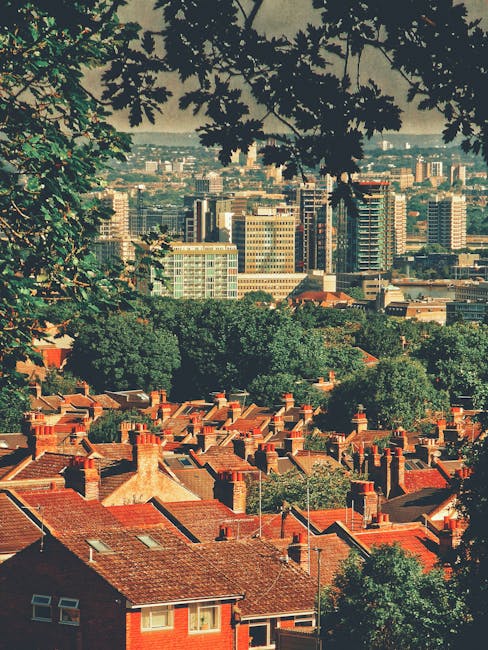
Guide to garden clearance in BR5 postcode Petts Wood
If your garden in BR5 has started to feel more like a storage space than an outdoor retreat, you are not alone. Overgrown beds, broken branches, tangled climbers, piles of leaves, and that one awkward corner where everything seems to collect can build up quietly, then all at once. This Guide to garden clearance in BR5 postcode Petts Wood is here to make the whole process feel clearer, calmer, and much more manageable.
Garden clearance is not just about making things look tidy for a weekend. Done properly, it improves safety, protects plant health, makes maintenance easier, and can reveal the real shape of your garden again. In a place like Petts Wood, where many gardens have mature planting, hedging, and compact outdoor spaces, a good clear-out can make a remarkable difference. Let's face it, once the clutter goes, the whole garden breathes again.
This article walks you through what garden clearance includes, how it usually works, the key decisions to make, and the common mistakes worth avoiding. You will also find a practical checklist, a comparison of clearance approaches, and a realistic example so you know what a well-run project can look like in the real world.
- Why it matters
- How garden clearance works
- Key benefits and practical advantages
- Who this is for and when it makes sense
- Step-by-step guidance
- Expert tips for better results
- Common mistakes to avoid
- Tools, resources and recommendations
- Law, compliance, standards and best practice
- Options, methods and comparison
- Case study or real-world example
- Practical checklist
- Conclusion
- Frequently asked questions
Why Guide to garden clearance in BR5 postcode Petts Wood Matters
Garden clearance matters because neglect compounds quickly. A few weeds become a patch, a patch becomes a problem, and before you know it, access is awkward, planting areas are crowded, and the garden feels heavier than it should. In BR5 postcode Petts Wood, that can happen especially fast in gardens with mature shrubs, boundary hedges, shade pockets, or lots of seasonal leaf fall.
There is also a practical side that people sometimes miss. Clearance is often the first step before better garden maintenance, hedge work, lawn care, patio cleaning, or landscaping. If you start with a messy base, everything else takes longer and usually costs more effort. A tidy, open space gives you a clean slate. That sounds simple, but in practice it is often the difference between a garden you avoid and one you actually use.
For many homeowners, the real reason is simple: they want to feel proud of the space again. You know the feeling. You glance out the window, and instead of seeing a place to sit with a cup of tea, you see brambles, broken pots, and grass edging into the borders. Garden clearance changes that mood quickly.
It also matters for safety. Slippery leaves, hidden trip hazards, unstable stacks of waste, and overhanging growth can make a garden harder to use. If children, pets, or older family members use the space, tidy access is not a luxury. It is peace of mind.
For ideas on how to make a cleared garden feel welcoming again, you might enjoy the thinking behind a fresh garden makeover after the hard work is done.
How Guide to garden clearance in BR5 postcode Petts Wood Works
In practice, garden clearance is a structured tidy-up rather than a random sweep with a wheelbarrow. The job usually starts with a walk-through, so the main problem areas can be identified: overgrowth, waste build-up, invasive plants, dead material, blocked paths, damaged features, and anything that needs careful handling.
Then the work is usually split into stages. First comes the obvious debris: leaves, fallen branches, dead plant material, old containers, and surface rubbish. After that, anything that needs cutting back is tackled more carefully. This may include brambles, coarse weeds, tangled climbers, overgrown shrubs, or hedge growth that is swallowing space. If ivy is involved, it often needs a more deliberate approach because it can cling stubbornly to walls, fencing, and tree trunks. If that sounds familiar, the article on successful ivy removal is worth a look.
Once the obvious material is removed, a proper clearance usually includes a second pass. This is where smaller issues show themselves: hidden rubbish, compacted corners, self-seeded growth, damaged edging, and places where drainage may have been blocked by plant debris. It is a bit like cleaning the kitchen properly rather than just wiping the surface. The difference is real.
Finally, the waste has to be moved, sorted, and disposed of responsibly. A tidy finish matters. So does leaving the garden safe and ready for whatever comes next, whether that is replanting, lawn recovery, or just enjoying the breathing room.
Key Benefits and Practical Advantages
People often think of clearance as cosmetic, but that undersells it. A well-cleared garden can change how the whole property feels, and sometimes how it functions day to day.
- Better access: Paths, borders, and corners become usable again.
- Healthier planting areas: Less crowding means air and light can move more freely.
- Easier maintenance: Mowing, pruning, and watering all get simpler.
- Improved safety: Fewer trip hazards, fewer hidden sharp objects, fewer wet leaf traps.
- More usable space: A cleared area can be repurposed for seating, storage, play, or new planting.
- Better first impression: Front or rear gardens both feel more cared for.
There is also a mental benefit. People rarely mention this first, but they notice it immediately. A cluttered garden can feel slightly draining every time you look at it. Once it is cleared, the whole space becomes quieter. Cleaner. More manageable. A lot less nagging.
And there are design benefits too. If you want to introduce shade planting, a more structured hedge line, or low-maintenance borders, a clearance creates the base you need. For example, if your garden has become a tangle of shade-loving growth, you may find inspiration in evergreen climbers for shady corners or ground cover ideas for UK gardens.
Who This Is For and When It Makes Sense
Garden clearance is relevant to more people than you might think. It is not just for neglected gardens or major overhauls. Sometimes it is the sensible middle step between routine upkeep and a bigger transformation.
You may need garden clearance if:
- you have inherited a garden that has been left untouched for a while
- you are preparing a property for sale or new tenants
- your garden has become too overgrown to maintain easily
- seasonal debris has piled up after autumn or winter
- you are planning landscaping, fencing, decking, or new planting
- your hedge, border, or lawn has slipped beyond routine trimming
- you want a reset before a family event or summer use
It also makes sense for households with pets or children. A garden that is full of hidden objects, thorny growth, or slippery piles is simply less friendly. If your home life includes muddy paws and fast-moving youngsters, a more organised outdoor layout can help. There is a practical angle to that, and a human one too. Less faff, fewer worries.
Petts Wood gardens often benefit from a seasonal refresh because mature planting can look great, but only if it is kept in balance. If you are trying to decide whether to clear, trim, maintain, or redesign, starting with a garden clearance gives you the clearest picture of what you really have.
Step-by-Step Guidance
If you are approaching garden clearance for the first time, it helps to treat it as a sequence rather than one giant chore. Here is a practical way to think about it.
- Walk the garden first. Identify what is dead, what is overgrown, what is damaged, and what should be kept.
- Separate waste from keepers. Move pots, furniture, tools, toys, and reusable materials out of the way.
- Remove loose debris. Leaves, twigs, dead stems, and surface litter go first.
- Cut back overgrowth carefully. Focus on access points, pathways, borders, and anything blocking light or movement.
- Address stubborn plants. Brambles, persistent weeds, and ivy often need patience. A rushed cut can leave roots or regrowth behind.
- Check structures and surfaces. Fences, sheds, decking edges, patios, and edging often need a visual check once the clutter is gone.
- Load and clear waste responsibly. Keep organic waste separate where possible and ensure everything is removed safely.
- Finish with a reset. Rake, sweep, level, and define the space so it feels intentional, not just emptied.
One useful habit: keep a "maybe later" pile small. If you put every undecided item into one corner, it becomes another mess. Fast. Better to decide on the spot where possible, or at least contain the uncertainty in one tidy spot and not the whole garden.
For people who are planning to rework the layout once the clearance is done, it can help to think ahead about storage, seating, paths, or new planting zones. The article on garden seating design is a nice next step if you want the cleared space to become something more useful.
Expert Tips for Better Results
A few small decisions can make a clearance job feel much smoother. In our experience, the best results come from being a little ruthless at the start and a little careful at the finish.
- Clear in the right order. Start high and wide, then move down and inward. That way debris does not fall onto areas you already cleaned.
- Work in sections. A garden can look overwhelming if you try to attack all of it at once. Divide it into manageable zones.
- Use proper cutting tools. Clean cuts matter. Ragged cuts can leave growth messy and harder to manage later.
- Be honest about what should go. Some plants are worth saving. Others are only taking up energy, light, and your Saturday morning.
- Leave breathing room. Plants need space around them, especially if you want healthier regrowth after clearance.
- Think seasonally. Heavy leaf fall, wet weather, and winter dieback can change the priorities quickly.
A small but important point: if you have dogs or children using the garden, check for hidden hazards before letting them back in. Broken terracotta, nails, wire, or sharp canes are easy to miss when you are focused on the bigger pile of waste. A quick sweep at the end is worth it.
If you are curious about making the garden easier to live with after clearance, a few practical reading paths can help: budget-friendly low-maintenance ideas, weed control tips, and winter protection for plants.
Common Mistakes to Avoid
Garden clearance can go sideways in predictable ways. None of these are dramatic disasters, thankfully, but they do create extra work later.
- Removing too much at once: Some gardens need a phased approach, especially if mature shrubs or nesting habitats are involved.
- Cutting back without checking roots: Certain weeds and climbers return if the base is not dealt with properly.
- Ignoring access routes: A cleared border is nice, but if the path is still blocked, the job is unfinished.
- Mixing waste carelessly: Organic material, reusable items, and general rubbish are better handled separately.
- Forgetting the end use: Clearing a garden without planning what comes next can lead to the same mess returning in weeks.
- Rushing around fragile structures: Old fences, loose paving, rotten timber, and weak decking edges need caution.
One common mistake is treating clearance like a one-off rescue mission and then forgetting maintenance completely. Truth be told, that is how many gardens drift back to chaos. A light monthly tidy is far easier than another huge reset later on.
If the issue is boundary growth or hedging specifically, it may be worth looking at hedge trimming in Petts Wood as part of your longer-term plan.
Tools, Resources and Recommendations
You do not need a huge arsenal of equipment to get a garden clearance done properly, but the right basics make a big difference. A badly matched tool can slow you down more than you expect. Frustrating, but true.
| Tool or resource | What it helps with | Why it matters |
|---|---|---|
| Gloves and sturdy footwear | Basic protection | Useful when dealing with thorns, wet ground, broken pots, or hidden debris |
| Secateurs, loppers, and pruning saws | Cutting back growth | Cleaner cuts and less strain than trying to force through woody stems |
| Rake, broom, and tarpaulin | Gathering and moving debris | Makes sorting and loading much easier |
| Wheelbarrow or garden sacks | Transporting waste | Reduces repeated lifting and keeps paths clearer |
| Hand weeder or hoe | Surface weeds and roots | Helps prevent regrowth in cleared borders |
| Professional clearance support | Large, awkward, or heavily overgrown gardens | Saves time and reduces the risk of injury or missed debris |
It can also help to think beyond the clearance itself. For example, if the garden has poor soil or a lot of dead organic material, composting may be part of the longer-term solution. There is useful background in turning organic waste into richer soil. If weeds are the main headache, see also this guide to healthier weed control.
For gardens with a lot of structure, you may also need services that sit alongside clearance, such as lawn mowing, patio cleaning, or fencing if boundary work is part of the same project.
Law, Compliance, Standards, or Best Practice
For most homeowners, the important thing is not to overcomplicate this. Still, there are a few common-sense standards and UK best practices worth keeping in mind.
Waste should be handled responsibly, and garden material should not simply be dumped or burned without checking what is appropriate for your situation. If you are using a contractor, it is sensible to ask how waste is managed, how site safety is handled, and whether they carry suitable insurance. That should not feel awkward. It is a normal question.
Good practice also means being careful around trees, nesting birds, wildlife habitat, and shared boundaries. If a tree or large woody plant is involved, a cautious approach is better than a hurried one. In some cases, tree surgery or specialised pruning is the better route rather than general clearance. If that sounds relevant, tree surgery support may be the appropriate next step.
If you are hiring a professional service, trust signals matter: clear pricing, public-facing policies, and straightforward terms are all useful indicators. Pages such as pricing and quotes, insurance and safety, health and safety policy, and terms and conditions help show how a provider approaches the work in practice.
For privacy, cookies, accessibility, and other website-side expectations, it is always sensible to review the relevant policy pages before sharing details or booking. Small thing, maybe, but it builds confidence.
Options, Methods, or Comparison Table
There is more than one way to approach garden clearance. The best option depends on time, scale, physical effort, and what the garden needs afterward.
| Method | Best for | Strengths | Trade-offs |
|---|---|---|---|
| DIY clearance | Small or moderate tidy-ups | Lower direct cost, full control, flexible pace | Time-consuming, physically demanding, easy to underestimate the waste |
| Partial professional help | Specific problem areas | Targets the hardest tasks while you handle the rest | May still leave coordination work for you |
| Full garden clearance | Heavily overgrown or neglected gardens | Fast reset, safer handling of awkward waste, clearer finish | Usually the most involved option, especially if lots of material must be removed |
| Clearance plus redesign | People planning a makeover | Good if you want the garden to function better long-term | Requires more planning and a clearer budget |
If your garden feels like a patchwork of problems, a staged approach can work well: clear first, then maintain, then redesign. That order matters. Starting with landscaping before the mess is under control is a bit like painting a room without moving the furniture. Not impossible. Just annoying.
When in doubt, begin with the areas that affect access and safety. Everything else can follow.
Case Study or Real-World Example
A typical BR5 garden clearance might begin with a rear garden that has been left for a couple of seasons. The borders are crowded, one side path is nearly blocked, and an old pile of pots and broken canes has become part of the scenery. Nothing wildly dramatic, just enough to make the space feel smaller and harder to use.
The first pass removes loose debris, dead stems, and the most obvious weeds. Then the overgrown hedge line is cut back carefully, the climbing growth is reduced, and the hidden corner near the shed is cleared out. A few items turn out to be worth keeping, but most are either damaged or no longer useful. After that, the floor of the garden starts to appear again. You can hear it, oddly enough. The sound changes when there is less clutter around you.
Once the waste is removed, the garden no longer feels like a chore. There is space to walk. The lawn edge can be seen again. The patio is visible instead of half-hidden. From there, the owner can decide whether to keep it simple with maintenance, or move on to further work like routine garden maintenance or a more ambitious landscaping project.
The key lesson is pretty straightforward: clearance gives you options. Without it, you are just working around the problem.
Practical Checklist
Use this checklist before, during, or after the clearance. It keeps the job focused and prevents those annoying little oversights that always seem to appear at the end.
- Inspect the whole garden from edge to edge
- Identify any hazards, including broken glass, wire, loose paving, or rotten timber
- Separate items you want to keep from items to remove
- Clear access routes first
- Remove dead growth, leaf build-up, and loose debris
- Cut back overgrown planting carefully
- Deal properly with weeds, brambles, and ivy
- Check fences, decking, patios, and paths once the clutter is gone
- Sort waste into manageable groups
- Leave the garden swept, raked, and safe
- Decide what maintenance should happen next
- Book follow-up work early if the space still needs attention
If you want the end result to last, pair clearance with maintenance rather than waiting for the garden to unravel again. A little routine effort now saves a bigger headache later.
Conclusion
Garden clearance in BR5 postcode Petts Wood is about much more than tidying a messy corner. It is a reset that helps your outdoor space become safer, easier to manage, and more enjoyable to use. Whether you are dealing with seasonal build-up, long-term overgrowth, or a garden that simply needs a proper fresh start, a thoughtful clearance creates the best possible foundation.
Do it well and you do not just remove clutter. You restore possibility. That is the real value here. A clearer garden can become a calmer one, a more useful one, and honestly, a nicer one to come home to at the end of the day.
If you are planning a wider improvement, it can help to explore the surrounding services and guidance on the site, including general gardening services, lawn care, decking services, and the company's background on the about us page.
Get a free quote today and see how much you can save.
Sometimes a garden only needs one proper clear-out to feel like itself again. That first clean edge, that bit of open space, that small patch of sky showing through again - it matters more than people think.
Frequently Asked Questions
What does garden clearance usually include in BR5 Petts Wood?
It normally includes removing leaves, branches, weeds, dead growth, light rubbish, and overgrown material, plus making the space safe and tidy again. In bigger jobs, it can also involve cutting back brambles, clearing access routes, and taking away waste.
Is garden clearance the same as regular garden maintenance?
Not quite. Clearance is usually a heavier reset, often done when a garden has become overgrown or cluttered. Garden maintenance is the ongoing care that keeps it from reaching that point again. They work well together, though.
How do I know if I need a full clearance or just a tidy-up?
If you can still move around easily and most areas are manageable, a tidy-up may be enough. If paths are blocked, borders are buried, or waste has built up over time, a fuller clearance is usually the better call.
Can garden clearance help before landscaping work?
Yes, absolutely. A clearance gives you a clean base to assess the space properly. It is much easier to plan paths, planting, seating, or boundaries once the overgrowth and debris are out of the way.
What should I do with ivy, brambles, and stubborn weeds?
These often need more than a quick trim. Ivy and brambles can regrow if they are not dealt with properly, and weeds may need root-level treatment or repeated attention. Careful, patient removal is usually best.
Is it safe to do a big garden clearance myself?
Small to medium jobs can often be done safely with the right tools and sensible precautions. But if the garden is heavily overgrown, contains sharp debris, or has awkward access, professional help can reduce risk and save a lot of time.
What time of year is best for garden clearance?
It depends on the garden, but many people choose spring or autumn. Spring helps reset after winter, while autumn deals with leaf fall and seasonal dieback. Sometimes, though, the right time is simply when the garden has become unmanageable.
Will clearance damage my plants?
It can if it is rushed or too aggressive. Good clearance should distinguish between healthy plants, plants worth keeping, and growth that needs to come out. That is why a careful first inspection matters so much.
How should garden waste be handled?
Garden waste should be sorted and removed responsibly. Organic material, reusable items, and general rubbish are best separated where possible. If you are hiring someone, ask how waste disposal is managed before work starts.
Can garden clearance improve safety for children and pets?
Yes. Clearing hidden hazards, removing sharp debris, and opening up paths makes the garden much safer for children and pets. It also reduces the chance of trips, snags, and accidental contact with thorny growth.
How much preparation should I do before a clearance starts?
Quite a bit helps. Move personal items, identify anything fragile or valuable, and point out anything that should not be cut or moved. A short walk-through at the start can prevent misunderstandings later.
What is the best next step after garden clearance?
The best next step is usually maintenance or a small improvement plan. You might mow the lawn, clean the patio, trim hedges, improve soil, or choose easier planting. Without follow-up, the garden can slide back again before long.